
What We've Built Together.
Case Study One: East Africa Youth Inclusion Program
Heifer International, a global agricultural non-governmental organization (NGO) with annual revenues of $129 million, has a global footprint and strong reputation that are underpinned by deep local partnerships that enable sustainable, community-led change. Heifer International engaged 1847 Philanthropic to develop a youth strategy and engage the Mastercard Foundation to design a $25 million East African Youth Inclusion Program throughout East Africa.
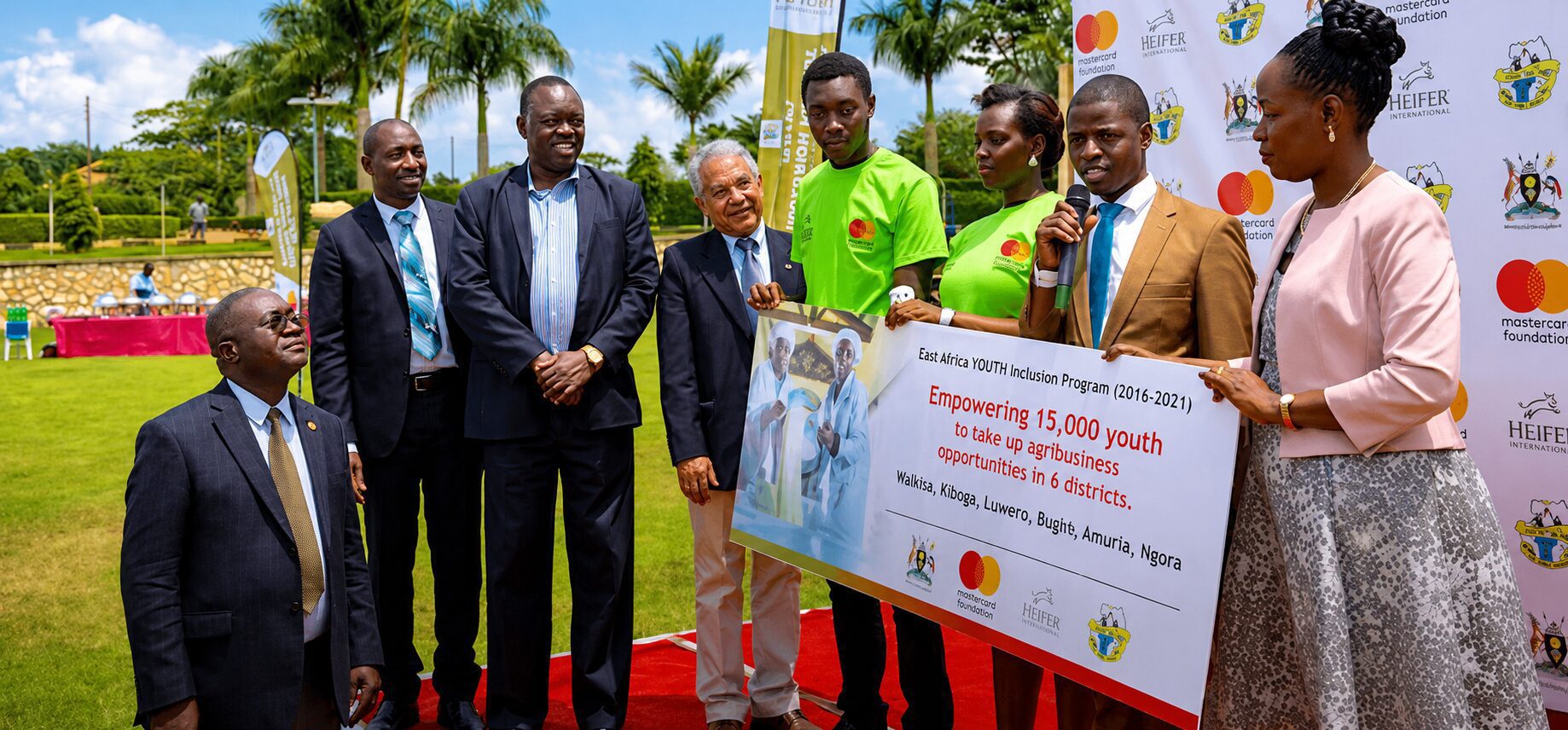
The Challenge
In East Africa, agriculture remains a vital economic sector with potential for job growth, yet it suffers from a perception problem. Young people often view farming as outdated, unprofitable, and physically demanding work—resulting in a widening generational gap in the sector. Despite Heifer’s success in poverty reduction through agriculture, small business development, and financial literacy, the organization sought to expand its impact by designing a youth-specific intervention to address this critical challenge.
Our Approach
Heifer International engaged 1847 Philanthropic to lead the design of a youth strategy that aligned with its existing capabilities. We began by conducting field research in Kenya, Uganda, and Tanzania, assessing existing programs and identifying barriers faced by youth in agriculture. Through surveys, interviews, and stakeholder consultations, we gathered actionable insights and engaged Heifer staff to refine the strategic direction.
Strategic Growth in Motion
Recognizing the opportunity for deeper engagement, Heifer extended our scope through an additional contract to conduct a full landscape analysis and design a youth development framework. This included the preparation of an “idea note” for a proposed $25 million program submitted to the Mastercard Foundation on time.
Voices From the Ground
Our team worked closely with local government leaders, private sector stakeholders, and youth focus groups in Uganda and Tanzania. Key issues emerged, including persistent poverty, gender-based inequities, and sexual exploitation, particularly among young women. We emphasized the importance of strengthening and supporting indigenous NGOs already addressing these systemic issues.
The Result
- Increased technical and vocational training opportunities for youth.
- Growth in youth-owned and youth-managed enterprises.
- Higher rates of youth employment in targeted regions.
- A stronger cultural and institutional framework supporting youth leadership and innovation.
Case Study 2: Expanding East Africa Technical Research Organization’s Fundraising Capacity
Kilimo Trust, a respected regional organization based in East Africa, has operated since 2005 with a mission to empower communities through sustainable agriculture, rural development, regional integration, and youth employment. Kilimo Trust engaged 1847 Philanthropic to refine its strategic direction, with a focus on strengthening its youth programming, enhancing donor visibility, and expanding fundraising capacity, especially through their subsidiary in Kenya.